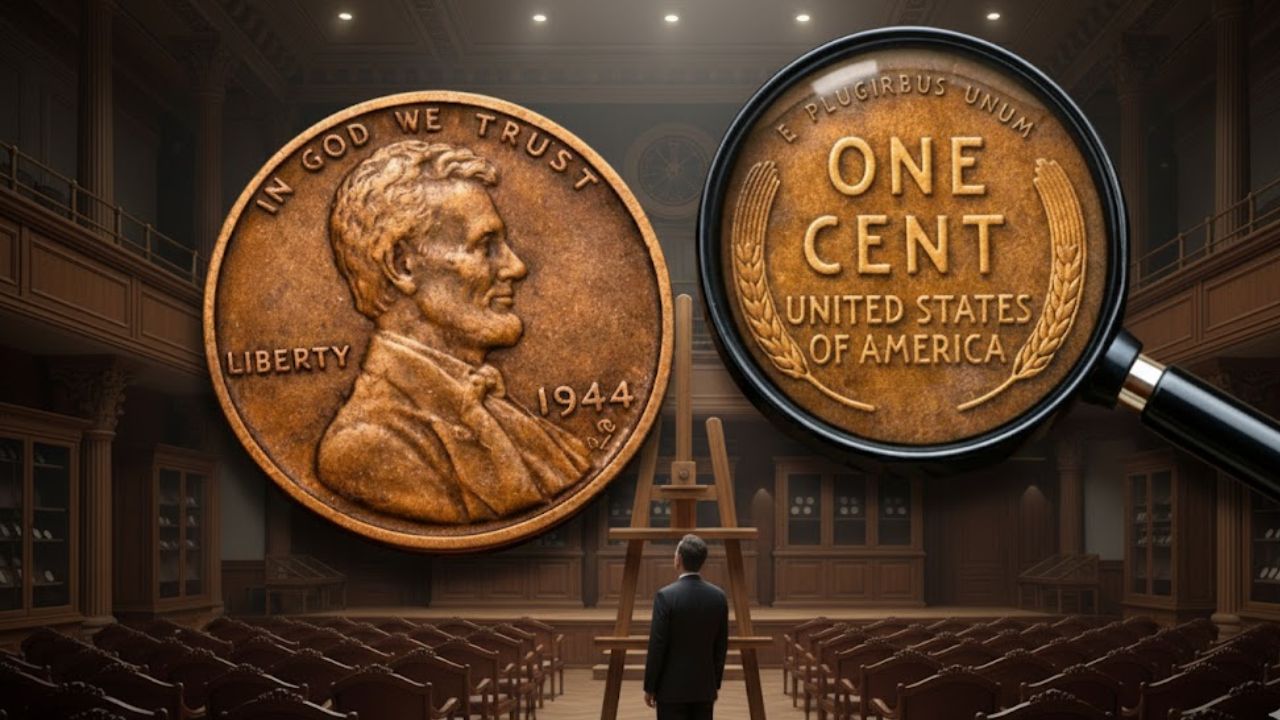
Wheat Penny Value Guide 2026: The Wheat Penny, produced between 1909 and 1958, continues to captivate collectors across the United States. Its instantly recognizable reverse design featuring twin wheat stalks reflects a time when American coins carried strong artistic character and national identity. While the majority of Wheat Pennies remain easy to find and hold modest value, a small number of rare issues, unusual minting errors, and special varieties can be worth far more than face value. In 2026, demand for these historic cents remains healthy, keeping the series popular among both experienced numismatists and beginners.
Wheat Penny Value Overview 2026
| Category | Examples | Estimated Value Range |
|---|---|---|
| Common Circulated Coins | 1930s–1950s Philadelphia issues | $0.05 – $0.50 |
| Key Date Pennies | 1909-S VDB, 1914-D | $900 – $5,000+ |
| Error Coins | 1955 Doubled Die Obverse | $1,500 – $20,000+ |
| Variety Issues | 1922 No D | $700 – $10,000+ |
| High-Grade Coins | Mint State Red cents | $50 – $6,000+ |
The Historical Significance of Wheat Pennies
The Wheat Penny was introduced in 1909 to mark the 100th anniversary of Abraham Lincoln’s birth. This release changed American coinage forever, as it was the first circulating U.S. coin to feature a real historical figure instead of a symbolic image. The design was created by Victor David Brenner, whose work combined Lincoln’s portrait with a simple agricultural motif representing national growth. Although billions of these coins were struck, uneven mintages and production issues led to lasting scarcity in specific years.
Rare Dates That Carry Strong Premiums
Certain Wheat Pennies stand out because of limited production or unusual circumstances. The 1909-S VDB is widely considered the most famous, struck in small numbers before the designer’s initials were removed from the coin. The 1914-D is another essential date that remains difficult to locate, especially in higher grades. The 1922 No D penny, created when worn dies removed the Denver mintmark, is also highly sought after. Depending on preservation, these coins can sell for hundreds or even thousands of dollars.

Mint Errors That Boost Collector Value
Minting mistakes add excitement to Wheat Penny collecting. The most famous example is the 1955 doubled die obverse, where doubling appears clearly on the date and lettering. Other valuable errors include off-center strikes, clipped planchets, and repunched mintmarks. These flaws are rare and visually noticeable, making them especially appealing to collectors. Values vary widely, but well-preserved error coins often command impressive prices.
Why Coin Condition Matters So Much
Condition plays a major role in determining how much a Wheat Penny is worth. Coins with heavy wear typically sell for far less than those with sharp details and original surfaces. Mint State and Proof examples are particularly desirable, especially coins that retain their bright red copper color. Professional grading adds credibility and often increases market value. Even common dates can become valuable when found in exceptional condition.
How Wheat Penny Prices Have Changed Over Time
Wheat Penny values have evolved alongside collector interest and broader economic trends. During the mid-20th century, many rare dates were overlooked, but awareness grew as collectors began studying mintage figures and error varieties. Coins like the 1955 doubled die shifted from curiosities to cornerstone collectibles. Today, online auctions and global marketplaces have expanded access, pushing demand and supporting steady price growth.

Wheat Penny Market Outlook in 2026
As of 2026, Wheat Pennies remain a stable and respected segment of the coin market. Collectors continue to enjoy the challenge of completing full date and mintmark sets, while rare varieties consistently perform well at auction. The timeless appeal of Lincoln’s portrait and the nostalgic wheat design help maintain long-term interest. Prices for key dates and dramatic errors are holding firm, with gradual appreciation expected.
Tips for Collectors
Building a Wheat Penny collection takes patience and research. Searching old jars, inherited collections, and coin rolls can still uncover surprises. Studying price guides and auction results helps collectors understand realistic values and avoid overpaying. Taking time to verify authenticity and condition ensures that a collection remains both enjoyable and potentially profitable.
Final Verdict
The Wheat Penny is far more than spare change. It represents American history, artistic craftsmanship, and the enduring legacy of Lincoln. While most examples are common, rare dates, mint errors, and high-grade coins can turn an ordinary cent into a valuable collectible. In 2026, the Wheat Penny market remains active and appealing, offering both educational value and the excitement of discovery.

Disclaimer
Coin values mentioned in this article are based on market trends and collector demand as of 2026. Prices can vary depending on condition, grading, and market conditions. This content is for informational purposes only and should not be considered financial or investment advice.
